
Herniated & Bulging Disc Treatment in Columbus, GA
Herniated and bulging discs can contribute to back discomfort, neck pain, numbness, tingling, and symptoms that travel into the arms or legs.
At Premier Chiropractic, we provide personalized evaluations to better understand your symptoms, assess spinal function, and discuss appropriate care options based on your individual needs.
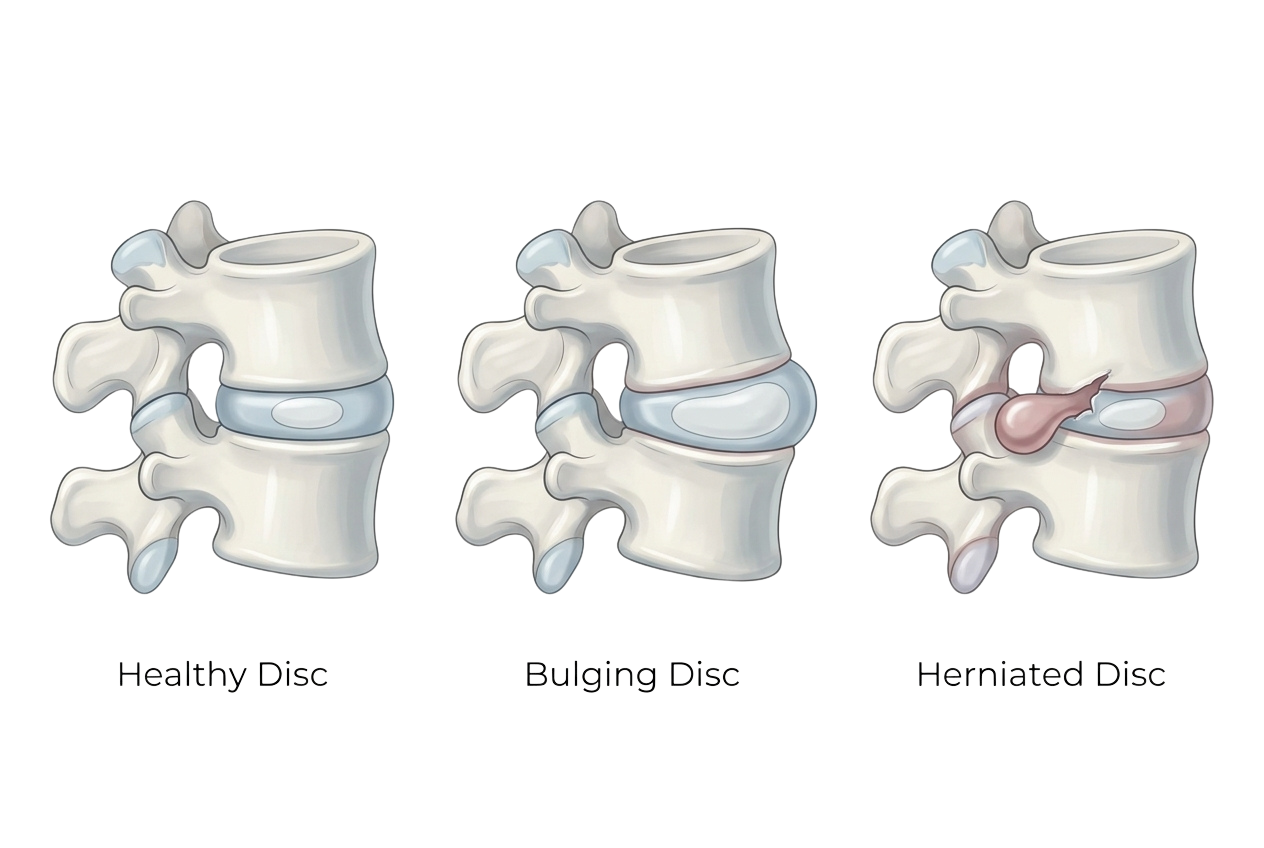
Understanding Herniated and Bulging Discs
The spine contains small, flexible cushions called intervertebral discs that sit between the vertebrae. These discs help absorb everyday forces, support spinal movement, and provide space between the bones of the spine.
When a disc changes shape or its outer layer weakens, it may develop a bulge or herniation. Depending on the location and severity, these changes can sometimes irritate nearby nerves and contribute to neck pain, back pain, numbness, tingling, or pain that travels into the arms or legs.

Herniated Disc vs. Bulging Disc
Although these conditions affect the intervertebral discs, they involve different structural changes.
What Is a Bulging Disc?
A bulging disc occurs when the disc extends beyond its usual boundary. The outer layer generally remains intact, but the disc may spread outward over a broader area.
Bulging discs do not always cause symptoms and may be discovered during imaging performed for another reason.
What Is a Herniated Disc?
A herniated disc occurs when material from inside the disc pushes through a weakened or damaged area of its outer layer.
If the protruding material irritates a nearby nerve, it may contribute to pain, tingling, numbness, or weakness in the arms or legs.
Common Symptoms of Herniated and Bulging Discs
Herniated and bulging discs can cause different symptoms depending on their location, size, and whether nearby nerves are affected. Some people experience localized neck or back pain, while others may notice discomfort that travels into an arm or leg. In some cases, disc changes cause no noticeable symptoms at all.
Common symptoms associated with herniated and bulging discs may include:
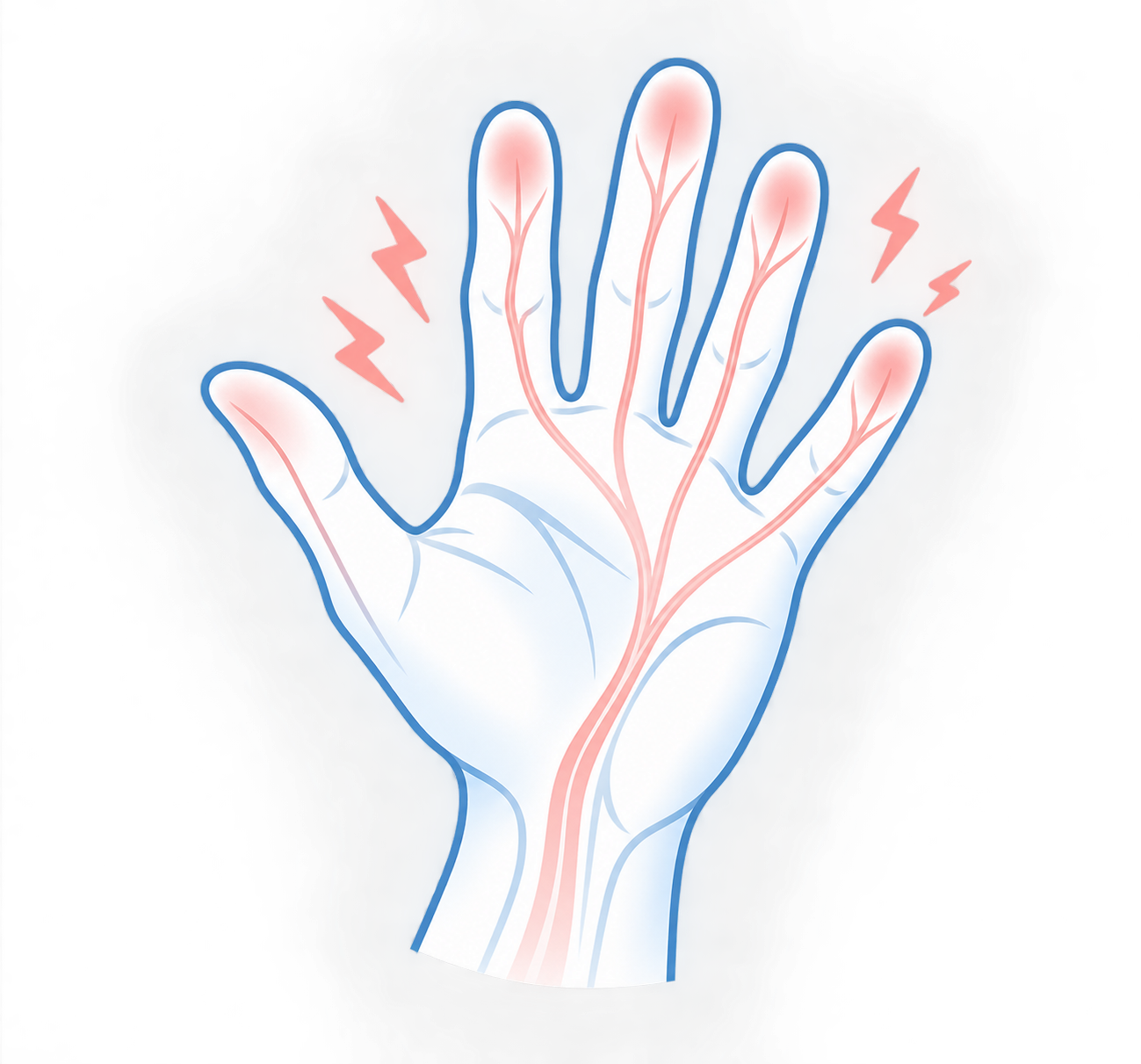
Numbness or Tingling
Nerve irritation may cause pins-and-needles sensations, tingling, or numbness in areas supplied by the affected nerve.
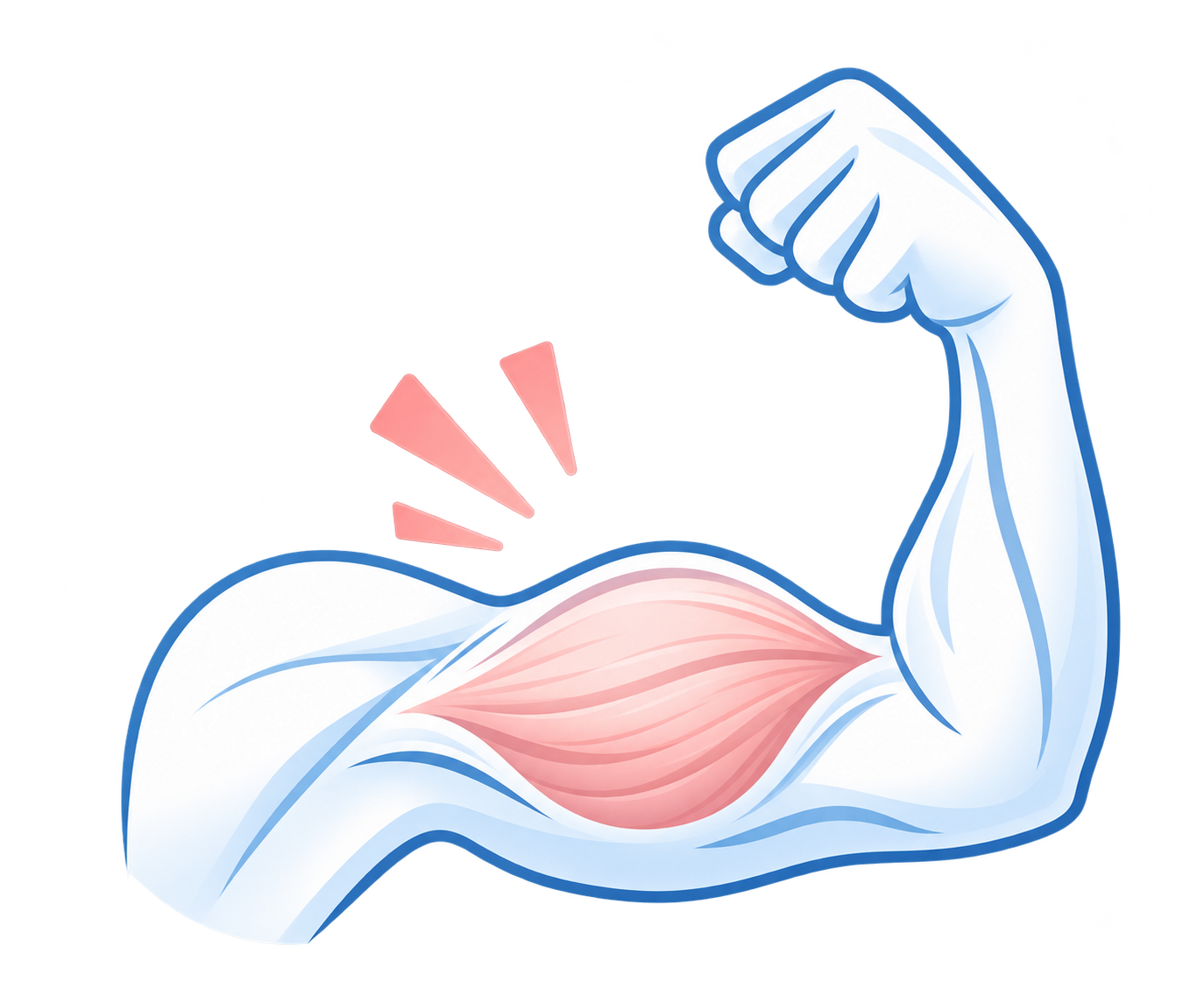
Muscle Weakness
Some disc conditions can affect nerve function and contribute to weakness in the arms, hands, legs, or feet.
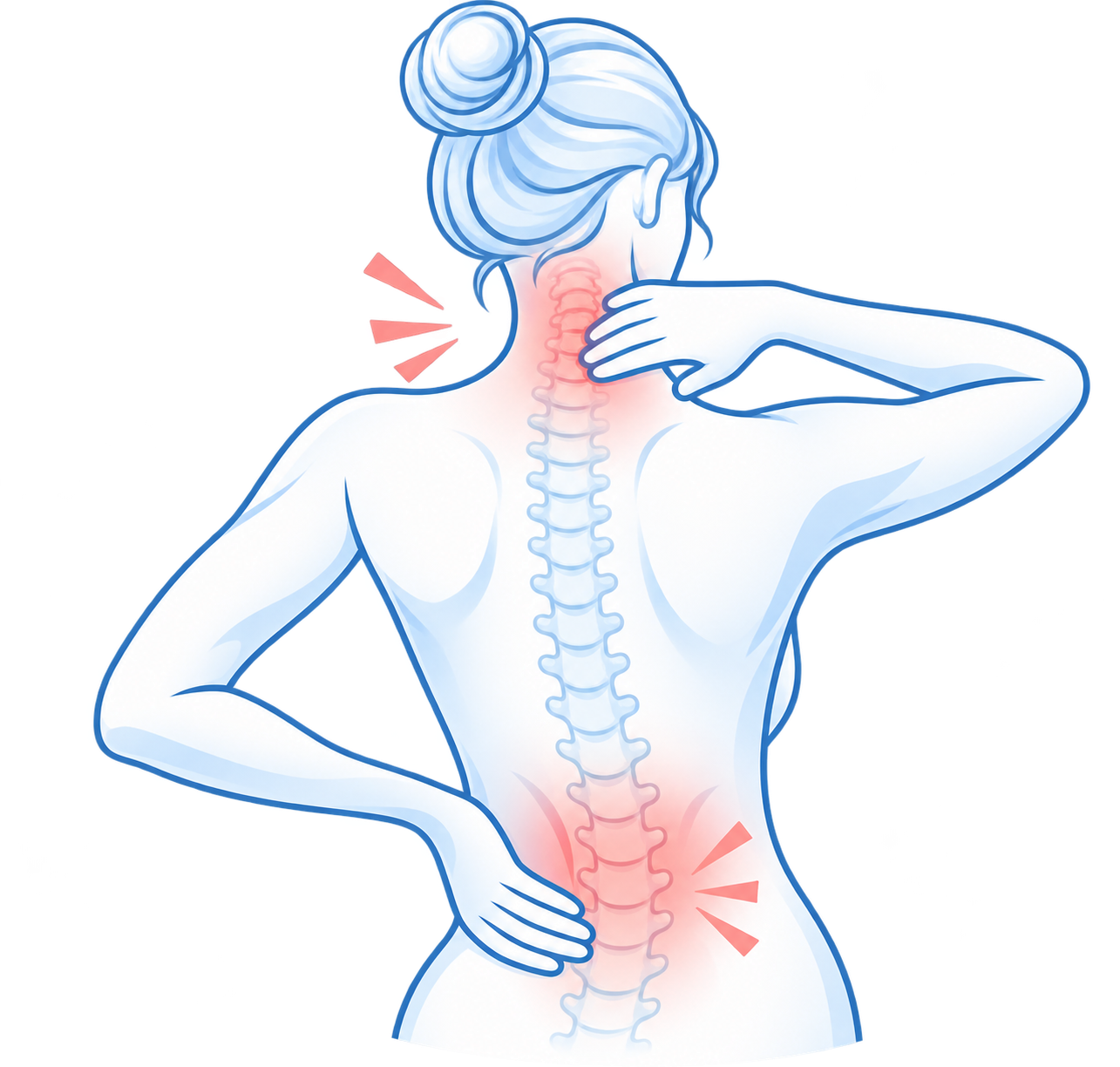
Neck or Lower Back Pain
Discomfort may develop in the neck or lower back, depending on which spinal disc is affected.
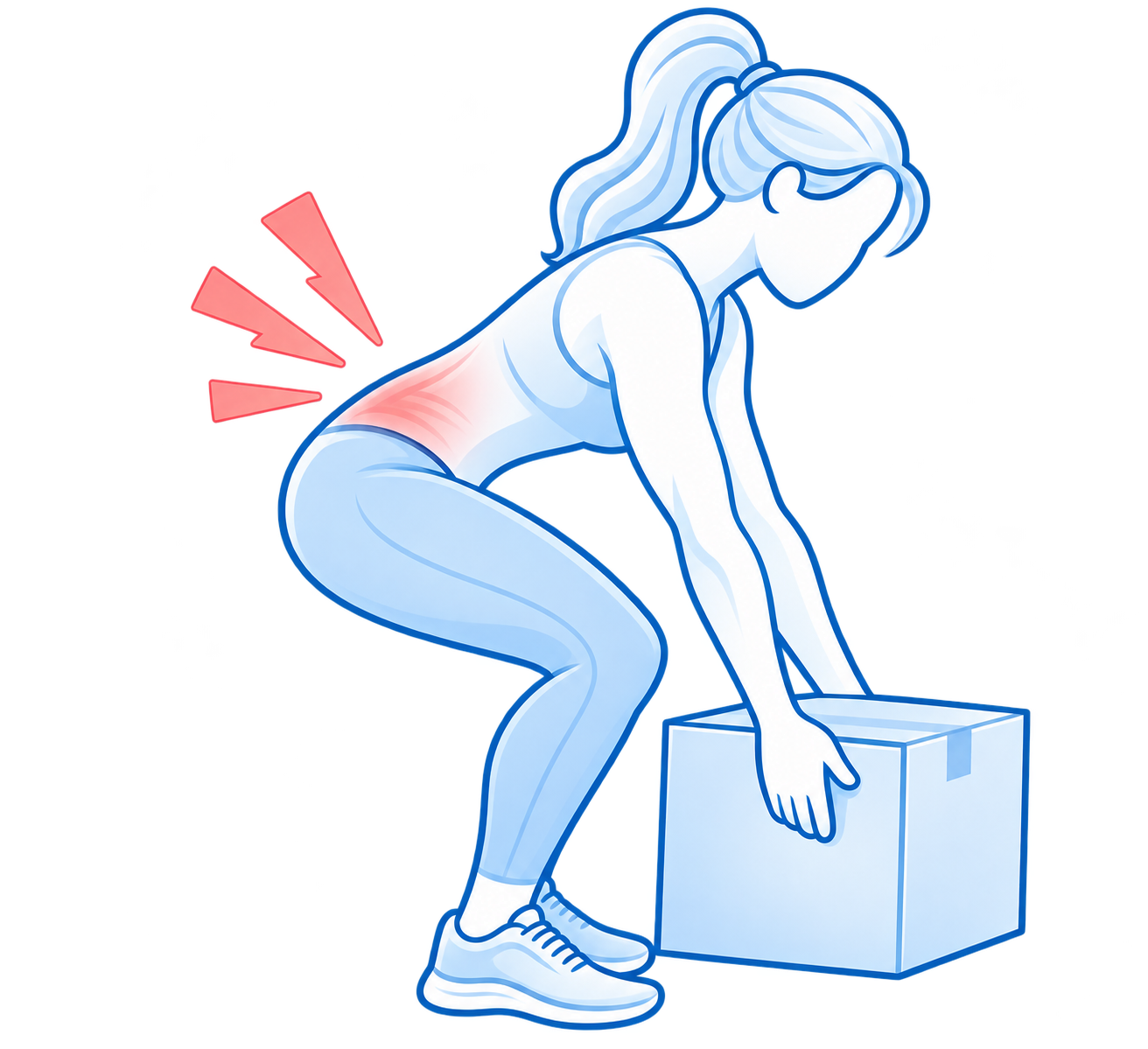
Increased Discomfort With Certain Movements
Bending, lifting, prolonged sitting, coughing, or sneezing may aggravate symptoms in some people, although triggers vary depending on the underlying condition.
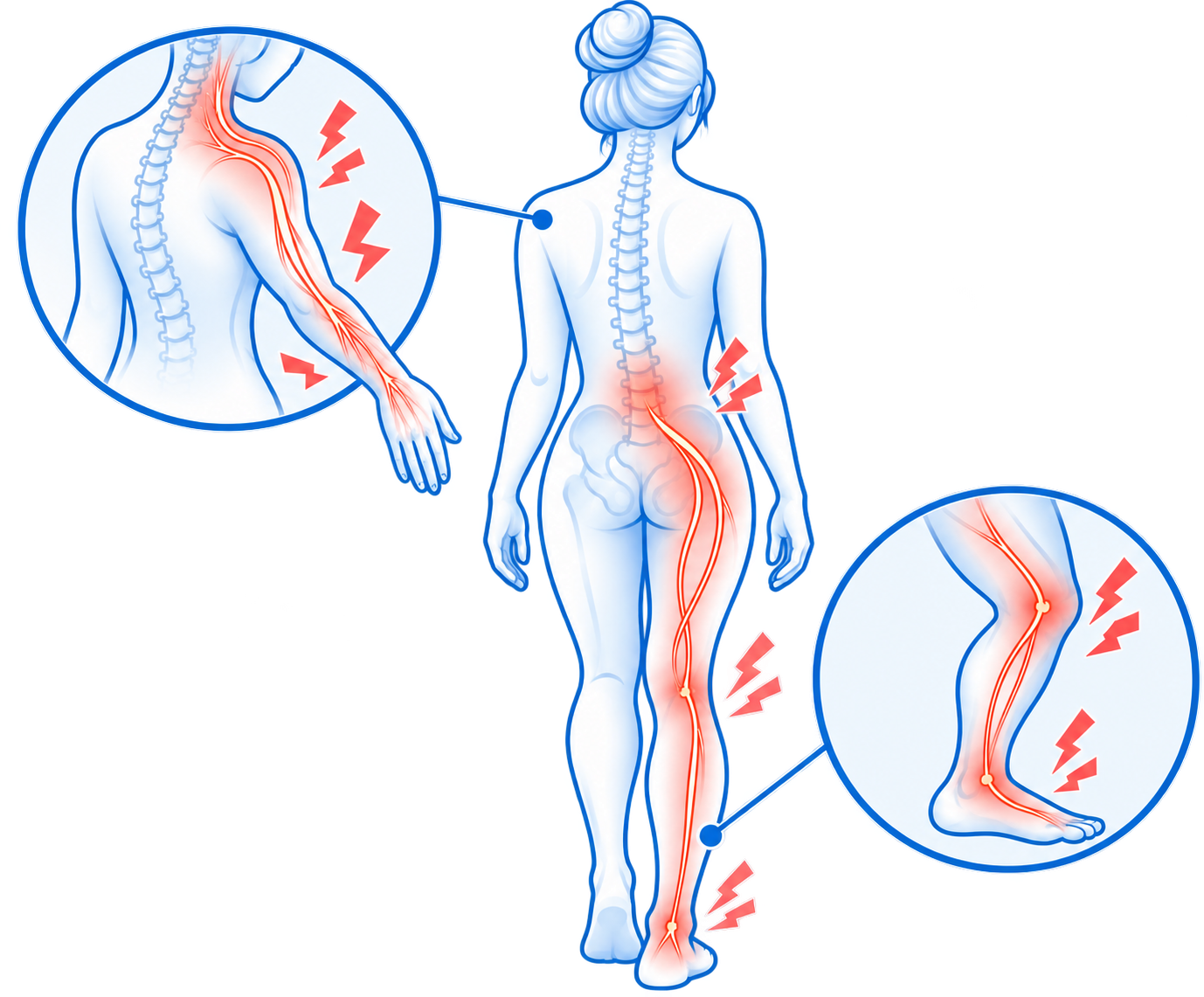
Pain That Travels Into the Arms or Legs
When a disc irritates or compresses a nearby nerve, pain may travel from the neck into the shoulder or arm, or from the lower back into the buttock and leg.
Causes and Risk Factors of Herniated and Bulging Discs
Herniated and bulging discs can develop for several reasons, including age-related changes in the spine, repetitive movements, and everyday wear and tear. The spinal discs act as cushions between the vertebrae, helping support movement and absorb pressure. Over time, these discs may lose some of their flexibility, making them more susceptible to bulging or herniation. In some cases, an injury or repeated strain on the spine may also contribute to disc problems.
Common Causes of Disc Problems
Age-Related Changes
As we age, spinal discs naturally lose some of their water content and flexibility. These changes can make the discs less resilient and more susceptible to bulging or herniation.
Injury or Sudden Strain
A sudden injury, forceful movement, or unexpected strain may contribute to disc damage. However, many disc problems develop gradually rather than from one specific incident.
Repetitive Movements & Strain
Repeated bending, twisting, or other movements that place stress on the spine may contribute to disc problems, particularly when combined with other risk factors.
Heavy Lifting and Improper Lifting Techniques
Lifting heavy objects, especially with awkward movements or twisting, can place additional stress on the spinal discs and may contribute to disc injury.
How Chiropractic Care May Help With Herniated and Bulging Discs
Living with a herniated or bulging disc can make everyday activities uncomfortable. Depending on the location and severity of the disc problem, symptoms may include back or neck pain, stiffness, and discomfort that travels into the arms or legs.
At Premier Chiropractic in Columbus, GA, we take an individualized approach to evaluating spinal conditions and understanding how they may affect your daily life. Our doctors assess your symptoms, medical history, and spinal health to help determine which care options may be appropriate for your needs.
A Personalized Approach to Disc-Related Symptoms
Comprehensive Evaluation
Understanding your symptoms is an important first step. Our doctors review your health history, discuss your concerns, and perform an appropriate examination to help identify possible sources of discomfort and determine whether further evaluation is needed.
Individualized Care Options
Care recommendations depend on your symptoms, examination findings, and individual needs. When appropriate, chiropractic care may include conservative approaches intended to improve spinal mobility, address musculoskeletal discomfort, and support everyday function.
Supporting Mobility and Function
Disc-related symptoms can interfere with activities such as sitting, walking, bending, and working comfortably. Depending on the underlying problem, an appropriate care plan may focus on improving movement, managing symptoms, and helping you return to daily activities.
What to Expect During Your Herniated or Bulging Disc Evaluation
At Premier Chiropractic, we take the time to understand your symptoms, evaluate your spinal health, and discuss care options based on your individual needs. Here's what you can expect during the evaluation process.
Tell Us What You're Experiencing
We'll discuss when your symptoms began, where you're experiencing discomfort, whether pain travels into your arms or legs, and which activities may make your symptoms better or worse.
Evaluate Your Movement & Function
Your chiropractor may assess your range of motion, spinal mobility, muscle strength, sensation, and other relevant findings to better understand your symptoms.
Review Imaging When Appropriate
If you have existing X-rays, MRI results, or other relevant imaging, our doctors may review them as part of your evaluation. Additional imaging may be recommended when clinically necessary.
Report of Findings
At a separately scheduled appointment, we'll review your examination findings and discuss personalized treatment recommendations.
Frequently Asked
Questions
Have questions about herniated or bulging discs? Explore some of our most frequently asked questions or contact our team to learn more about your options.
Contact UsWhat is the difference between a herniated disc and a bulging disc?
A bulging disc occurs when part of an intervertebral disc extends beyond its usual boundaries, often involving a broad portion of the disc. A herniated disc occurs when disc material pushes through a weakened or damaged area of the disc's outer layer. Either condition may or may not cause symptoms, depending on the structures involved.
Can a herniated or bulging disc heal on its own?
Some disc-related symptoms improve over time with appropriate conservative management. In certain cases, herniated disc material may gradually shrink or be reabsorbed by the body. Recovery varies depending on the condition, symptom severity, and individual health factors.
Can a chiropractor help with a herniated or bulging disc?
Chiropractic care may be considered for some individuals experiencing disc-related discomfort. Depending on examination findings, treatment may include appropriate manual techniques, rehabilitation exercises, or other conservative approaches. Certain disc conditions require medical evaluation or referral, and spinal manipulation is not suitable for everyone.
Can a herniated disc cause sciatica?
Yes. A herniated disc in the lower spine can sometimes irritate or compress nearby nerve roots, contributing to symptoms associated with sciatica. These may include discomfort that travels from the lower back or buttock into the leg, along with tingling, numbness, or weakness.
Do all herniated or bulging discs require surgery?
No. Many individuals with herniated or bulging discs do not require surgery. Conservative management may be appropriate depending on symptoms and examination findings. Surgery may be considered for certain individuals with persistent symptoms, significant neurological impairment, or other medical indications.
When should I seek medical attention for a herniated or bulging disc?
Medical evaluation is recommended for persistent or worsening back or neck symptoms, especially when accompanied by radiating pain, numbness, or weakness. Seek emergency medical attention for new bowel or bladder dysfunction, numbness around the groin or saddle area, or rapidly worsening weakness, as these may indicate serious nerve compression.
Take the Next Step Toward Better Spinal Health
If you're experiencing symptoms associated with a herniated or bulging disc, our team at Premier Chiropractic can help evaluate your condition and discuss personalized chiropractic care options based on your individual needs.
Schedule an Appointment