
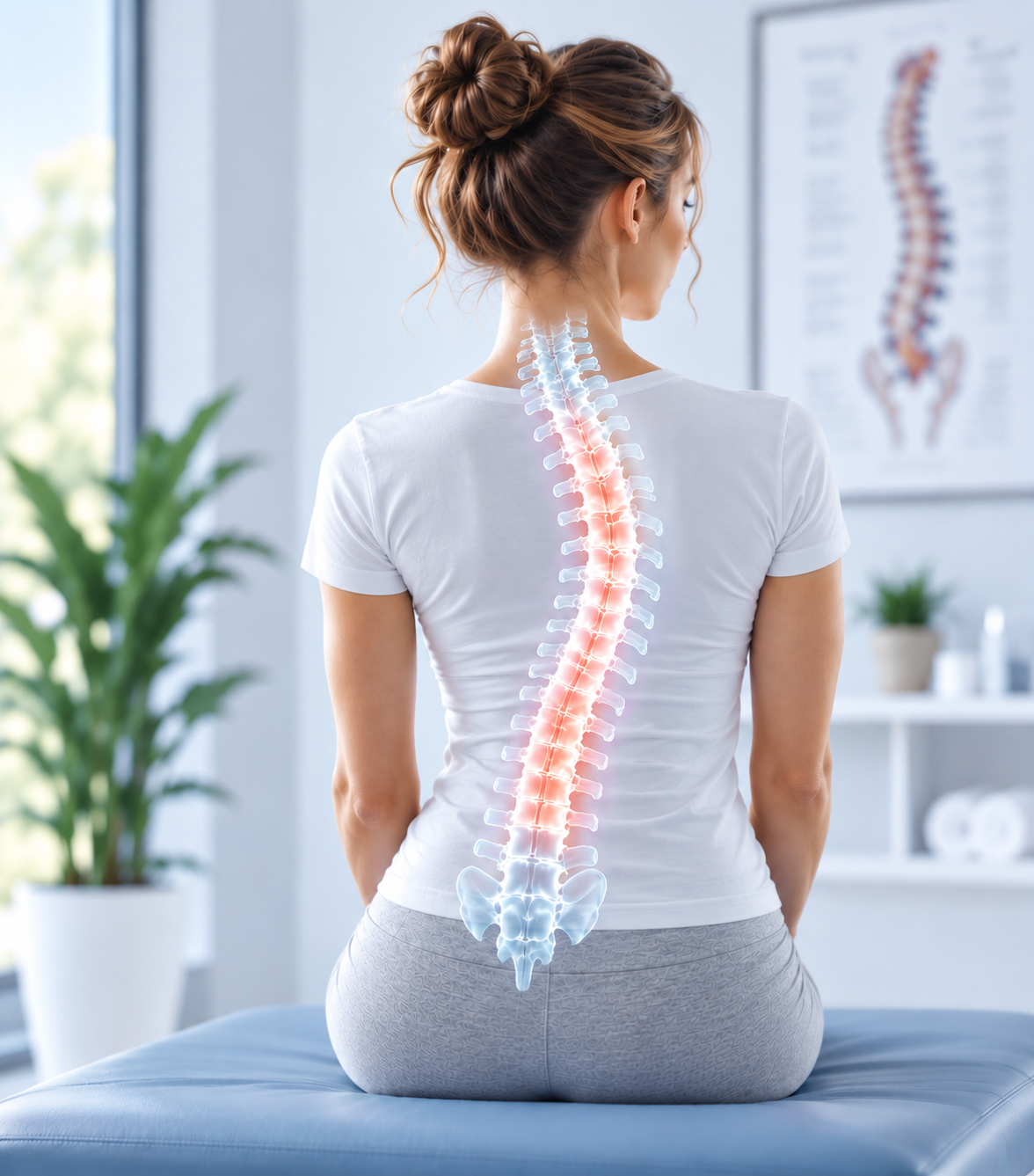
Scoliosis Treatment in Columbus, GA
Personalized Care for Scoliosis-Related Pain and Movement Concerns
Scoliosis is a sideways curvature of the spine that can affect posture, spinal alignment, muscle balance, and movement. While some people experience few symptoms, others may develop back pain, stiffness, muscle fatigue, or difficulty with everyday activities.
At Premier Chiropractic, we take a personalized approach to scoliosis care. Our goal is to evaluate how your spinal curvature may be affecting your comfort, mobility, and daily function so we can determine which conservative treatment options may be appropriate for you.
Whether you've recently been diagnosed with scoliosis or have been living with a spinal curvature for years, understanding your condition is an important first step toward making informed decisions about your care.
Understanding Scoliosis
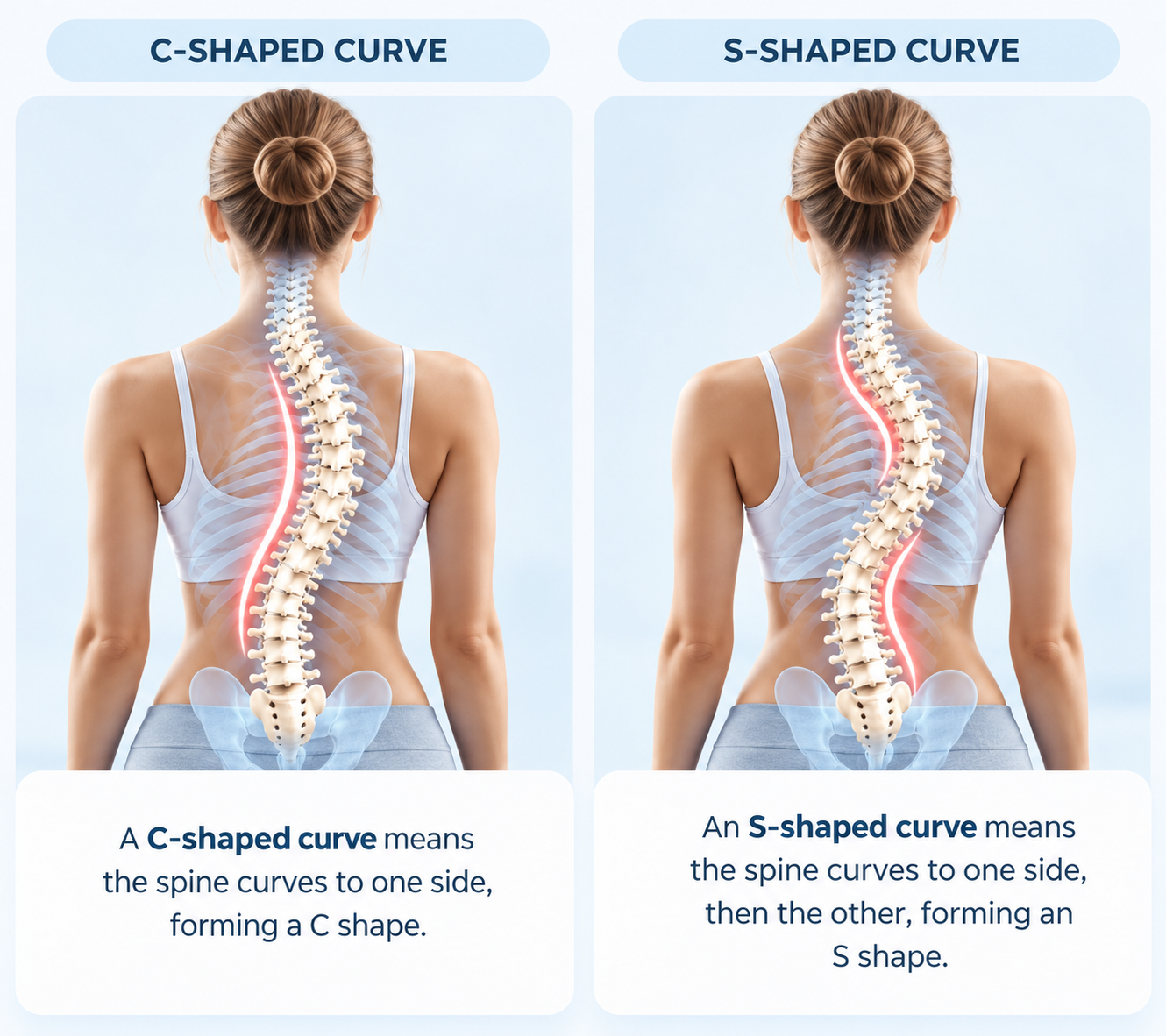
Scoliosis is a condition in which the spine curves sideways, sometimes forming a C-shaped or S-shaped curve.
It can develop during childhood or adolescence, although adults can also develop scoliosis or experience changes in an existing spinal curvature as they age.
Depending on the severity and location of the curve, scoliosis may affect posture, shoulder or hip symmetry, muscle balance, and spinal movement.
Some people experience little to no discomfort, while others may notice back pain, stiffness, or muscle fatigue during everyday activities.
Scoliosis can vary significantly from person to person. Understanding the type and severity of the curvature, along with any related symptoms, can help determine the most appropriate next steps for evaluation and care.
Common Signs and Symptoms of Scoliosis
Scoliosis can present differently from one person to another. Some people notice visible changes in posture, while others experience discomfort or changes in movement.
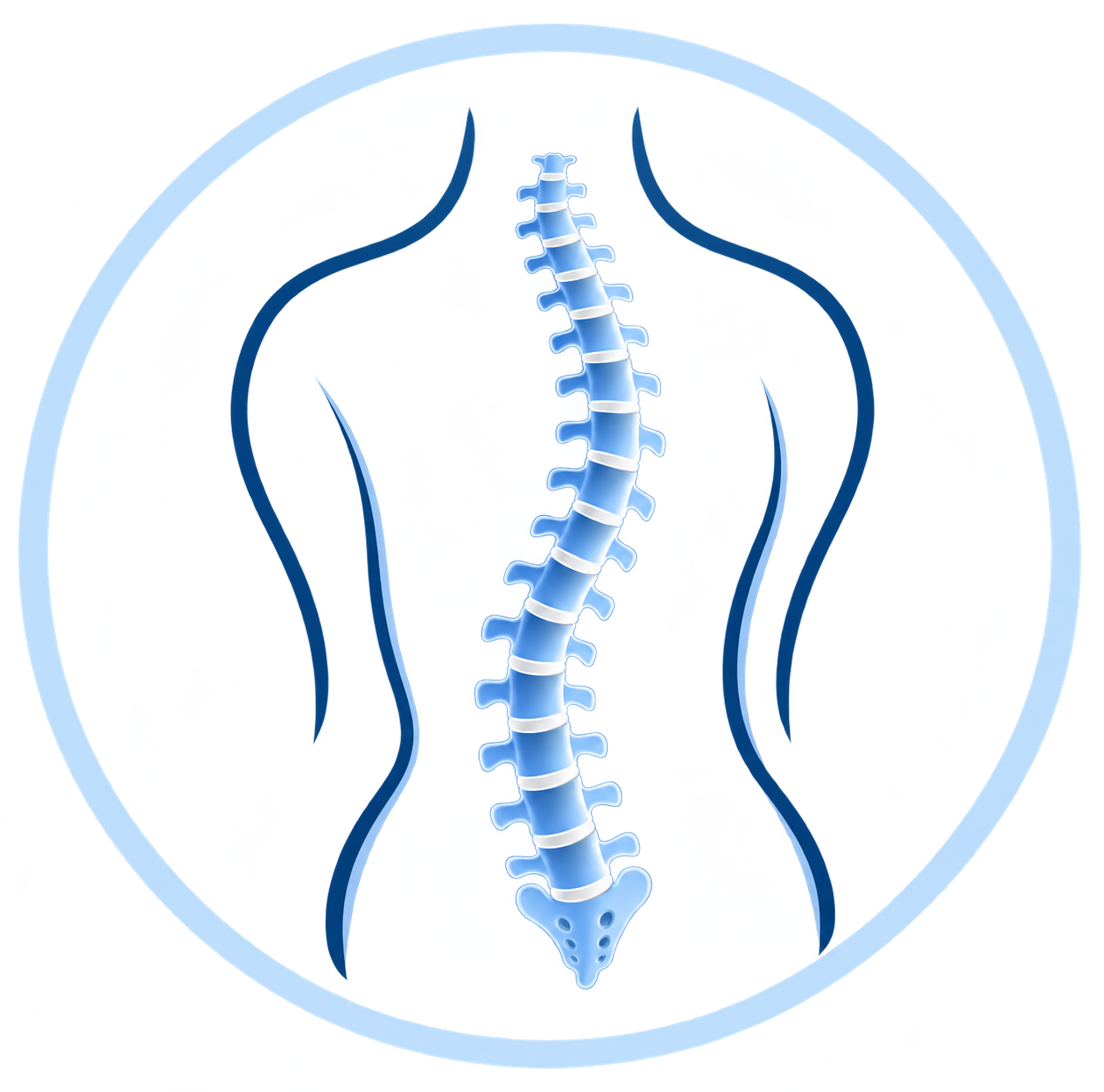
Spinal Curvature
A noticeable sideways curve in the spine may be associated with scoliosis, which can create a C-shaped or S-shaped appearance.
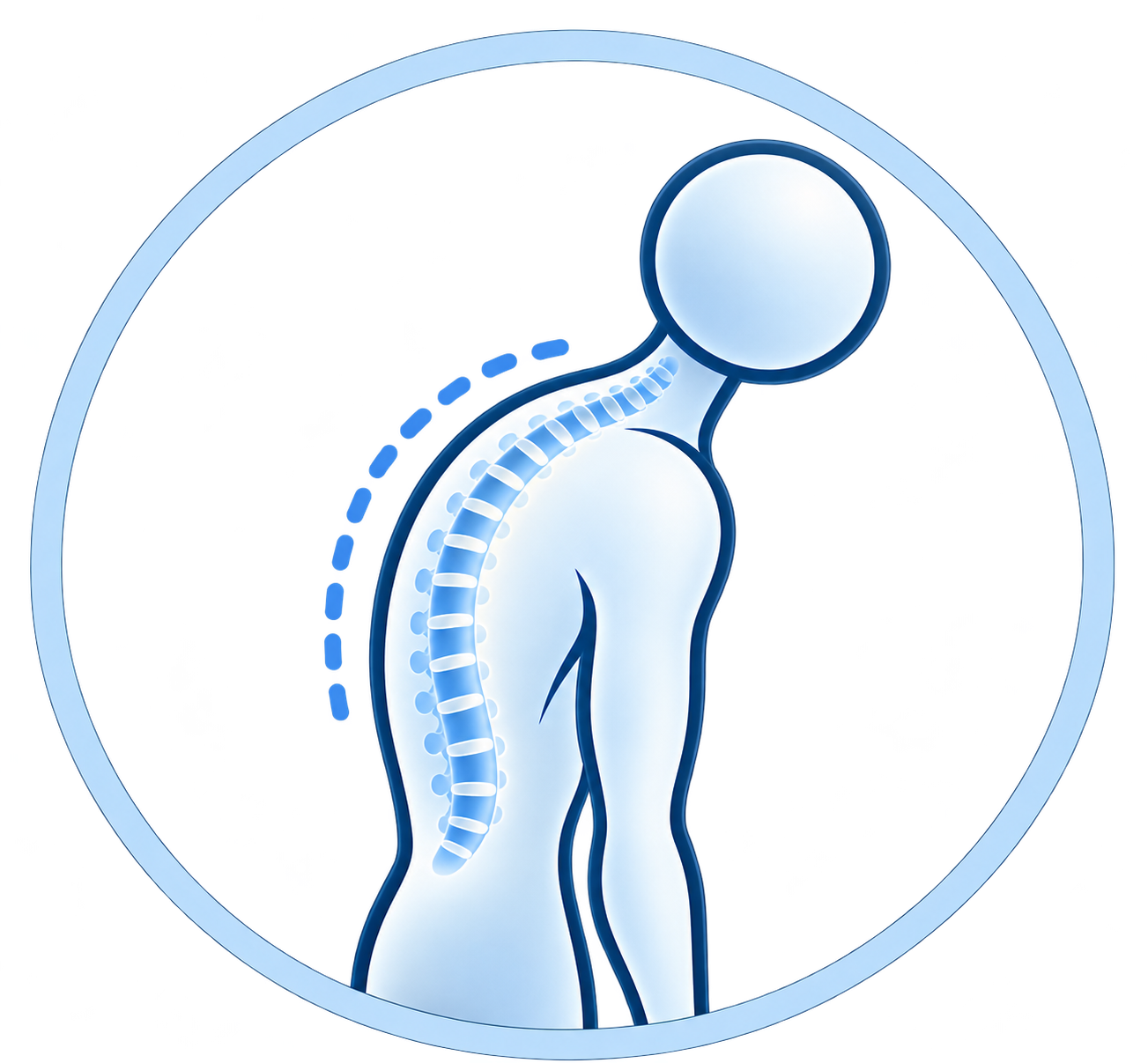
Movement Changes
Changes in spinal movement, flexibility, or comfort during everyday activities may occur in some people with scoliosis.
Postural Changes
Uneven shoulders, prominent shoulder blades, an uneven waistline, or one hip appearing higher than the other may be signs of scoliosis.
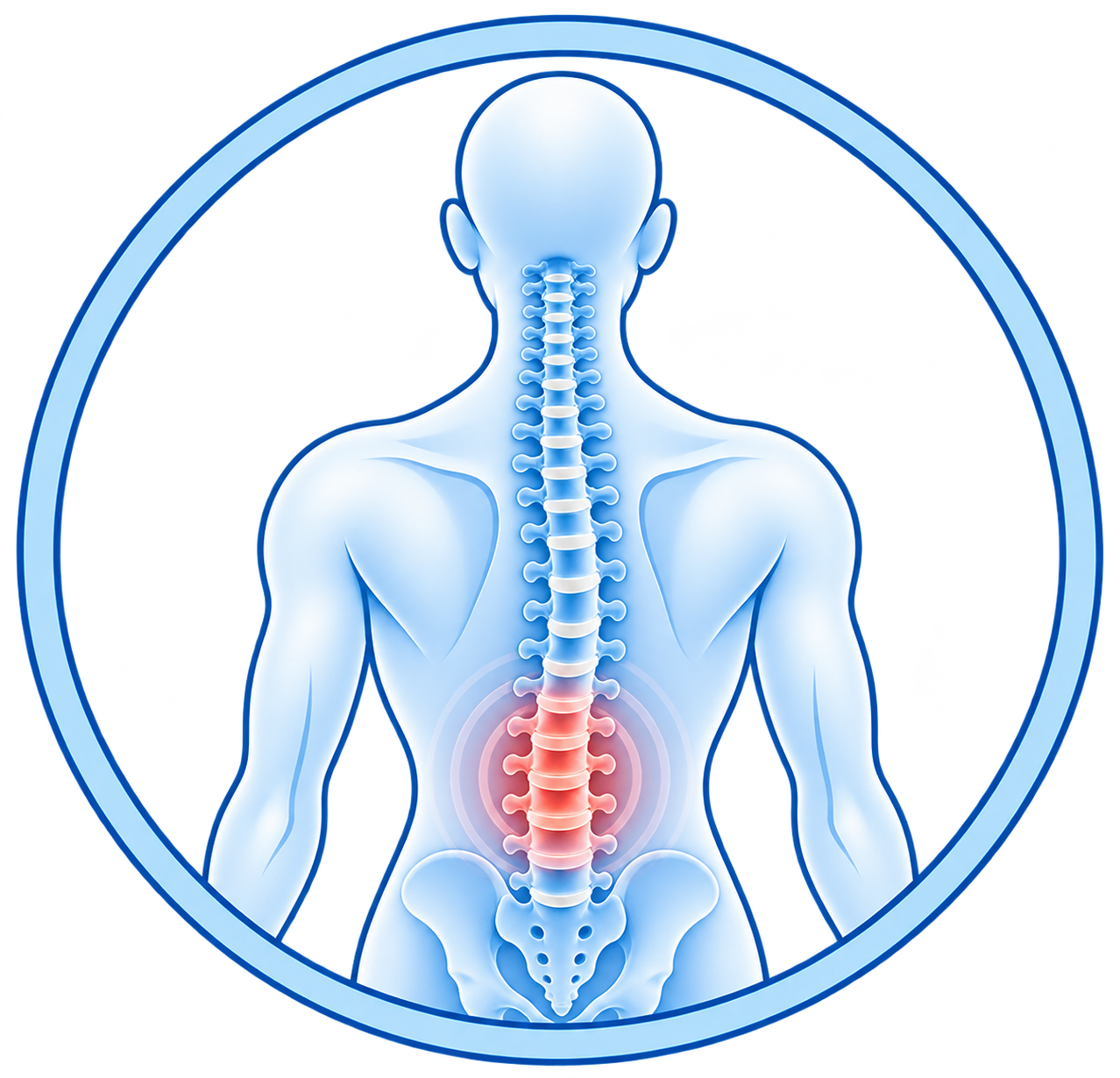
Back Discomfort
Some people with scoliosis experience back discomfort, stiffness, or muscle fatigue, particularly after prolonged standing or physical activity.
What Causes Scoliosis?
Scoliosis can develop for several reasons, and in many cases, the exact cause is unknown. The type of scoliosis and the age at which it develops can influence how the condition is evaluated and managed.
Common types include:
Idiopathic Scoliosis
The most common type, particularly in adolescents, with no clearly identified cause.
Degenerative Scoliosis
Develops in some adults as age-related changes affect the spine.
Congenital Scoliosis
Occurs when the spine develops differently before birth.
Neuromuscular Scoliosis
Can develop in association with certain conditions that affect the muscles or nervous system.
How Can Chiropractic Care Help With Scoliosis?
Although chiropractic care does not reliably correct or reverse a structural spinal curvature, it may help some individuals manage scoliosis-related discomfort, stiffness, and movement limitations.
At Premier Chiropractic, we take a personalized approach to evaluating your spinal health. Our recommendations are based on your symptoms, examination findings, and individual needs.
Our Approach to Scoliosis Care
Depending on your condition and examination findings, conservative care may focus on:
Supporting Mobility
Helping support comfortable movement, spinal mobility, and flexibility during everyday activities.
Addressing Muscle Tension
Care may include approaches aimed at managing muscle tightness, stiffness, and related discomfort.
Personalized Recommendations
Treatment recommendations are based on your spinal curvature, symptoms, overall health, and personal goals.
When appropriate, our doctors may recommend additional evaluation or coordinate care with other healthcare professionals to support your overall spinal health.
Frequently Asked
Questions
Have questions about scoliosis and chiropractic care? Explore some of our most frequently asked questions or contact our team to learn more.
Contact UsCan a chiropractor fix scoliosis?
Chiropractic care cannot correct or reverse the structural spinal curvature associated with scoliosis. However, certain conservative approaches may help address associated muscle tension, stiffness, or discomfort. Scoliosis management depends on factors such as age, curve severity, and whether the curvature is progressing.
Can scoliosis cause back pain?
Some individuals with scoliosis experience back discomfort, muscle fatigue, or stiffness, while others have few or no symptoms. The presence and severity of discomfort can vary depending on the individual and the characteristics of the spinal curvature.
Can adults develop scoliosis?
Yes. Some adults have scoliosis that developed during childhood or adolescence, while others develop spinal curvature later in life. Adult degenerative scoliosis can occur as age-related changes affect the discs and joints of the spine.
Does everyone with scoliosis need treatment?
Not everyone with scoliosis requires active treatment. Mild, stable curves may only need periodic monitoring. Treatment recommendations depend on age, curve severity, symptoms, skeletal maturity, and the likelihood of progression.
When should I seek an evaluation for scoliosis?
An evaluation is recommended if you notice uneven shoulders, an uneven waist, a visible spinal curve, or changes in posture. Individuals with an existing scoliosis diagnosis should follow recommended monitoring schedules. New or worsening symptoms should also be assessed by a healthcare professional.
Should children with scoliosis see a specialist?
Children and adolescents with suspected or diagnosed scoliosis should be evaluated by an appropriate healthcare professional. Referral to a pediatric orthopedic or spine specialist may be recommended, particularly when a curve is progressing or the child is still growing. Early monitoring can help guide decisions about observation, bracing, or other treatment options.
Can spinal decompression help scoliosis?
Non-surgical spinal decompression has not been established as a treatment for correcting scoliosis or preventing curve progression. In selected individuals with separate disc-related concerns, a clinician may consider other conservative treatment options based on examination findings. Scoliosis-specific management should be guided by an appropriately qualified healthcare professional.
Take the Next Step Toward Better Spinal Health
If you're experiencing discomfort related to scoliosis or have questions about your spinal health, we're here to help. Our team can provide a thorough evaluation, discuss your concerns, and develop a personalized plan based on your individual needs to support your mobility, comfort, and everyday function.
Schedule An Appointment